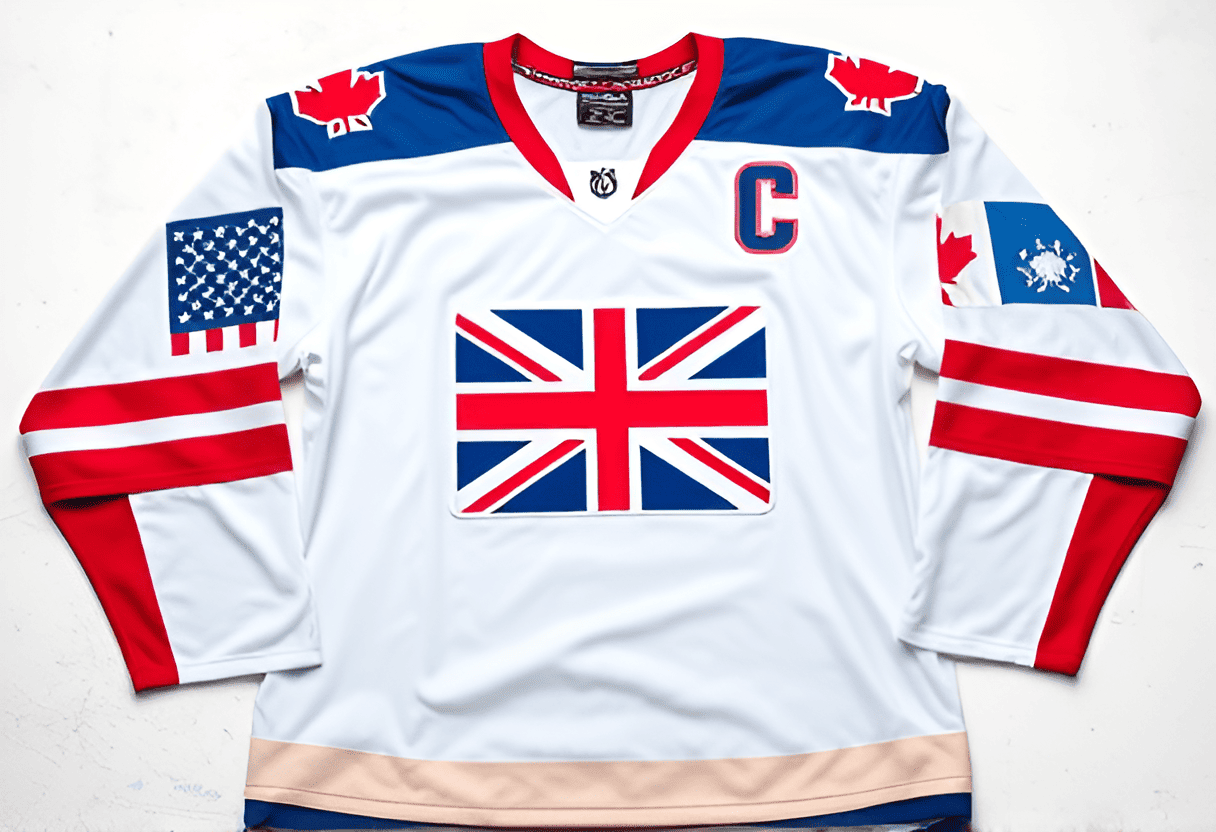
As a dual national, international ice hockey events such as the IIHF World Championships, the Olympics, and other global tournaments present a unique challenge: when your heart belongs to two (or more) nations, who do you cheer for? Do you support the country where your roots and close family remain, or the one you now call home and where you are building your life?
This question is not a fleeting one for me. I am two years away from having lived equally in both countries, which has shaped my identity in unique ways. Rather than feeling tied to one or the other, I find myself embracing the commonalities between them. I’m no longer defined by a single identity—I’m a blend of both.
Supporting Both… Until They Face Each Other
For the most part, my approach has been straightforward: I support both teams as long as they are not playing against each other. It’s easy to celebrate victories and sympathize with losses when they don’t compete directly.
However, things get tricky when they do face each other. In those moments, I find myself unable to pick a side. Instead, I watch the game for its artistry; every pass, save, and goal becomes a testament to the skill and effort of the players, rather than a personal tug-of-war over which team to root for.
Dual Nationals in Ice Hockey
This introspection has also made me ponder the experiences of the players themselves. Many ice hockey professionals develop their skills and play in leagues in one country while representing another at the international level. This is a common occurrence in ice hockey, particularly for smaller nations like Great Britain, where dual nationals often form an integral part of the national team.
Take Team GB as an example. A quick look at the roster reveals players who have honed their skills in overseas leagues, including the NHL, AHL, and various European leagues. Many of these players hold dual citizenship or grew up abroad but maintain deep ties to their home country. For instance, dual nationals like Evan Mosey and Brett Perlini have been crucial to Team GB’s success in recent years, blending their international experience with a passion for their home team.
Historically, players like Tony Hand, considered one of the best British players of all time, paved the way for younger athletes to thrive on the international stage.
Globally, the trend of having multiple nationalities is on the rise. According to the IIHF, as many as 25% of NHL players come from countries outside North America, many of whom return to represent their national teams during international tournaments. Smaller hockey nations like Great Britain or Hungary rely heavily on players with international experience to compete effectively.
The Challenge of Playing for Your Nation
Representing your country is not just about donning the jersey; it’s also about teamwork and cohesion. Ice hockey is a fast-paced and dynamic sport that relies on split-second decisions and synergy among players.
However, many international teams have limited time to prepare for tournaments. In events like the IIHF World Championships, players often have only a few training sessions to build chemistry. On average, it is estimated that elite teams require 200-300 hours of combined practice and game time to develop into a cohesive unit. Unfortunately, for international tournaments, this preparation time is often drastically shortened, as players join the team straight from their club seasons. This lack of preparation adds to the challenge of blending players who are, in many cases, accustomed to competing against one another in their domestic leagues.
Identity on the Ice
For dual-national players, representing their country can be both a point of pride and a deeply emotional experience. Many have spent years playing in foreign leagues, building lives and careers far from home. Returning to represent their homeland offers an opportunity to reconnect with their roots, but it can also be bittersweet.
Consider a player who has devoted their entire professional career in North America and must now adjust to a different style of play and new teammates in just a matter of days. Alternatively, think of a player with deep ties to two nations—perhaps they grew up in one but represent the other on the ice.
The emotional weight of these decisions can be significant. Do players feel fully "at home" in the country they represent, or do they experience the same divided loyalty that fans like me feel?
Introspection Through Sport
It’s fascinating how a "simple game" can ignite such deep reflection about identity, belonging, and the meaning of home. For me, the question of whom to support serves as a mirror to my journey—considering where I’ve been, where I am now, and how these two aspects of my life coexist.
For the players, this may reflect their careers, families, and the connections they have forged along the way. Ice hockey is, after all, a sport that brings people together, even as it poses questions about where we truly belong.
Looking Ahead
As fans and players alike, it is evident that ice hockey is more than just a sport. It celebrates skill, passion, and shared experiences that transcend borders. Whether you are cheering for one team or another, the beauty of the game is that it connects us all.
So, when the puck drops, I’ll be there, cheering for the game itself—and maybe a little bit for both sides.