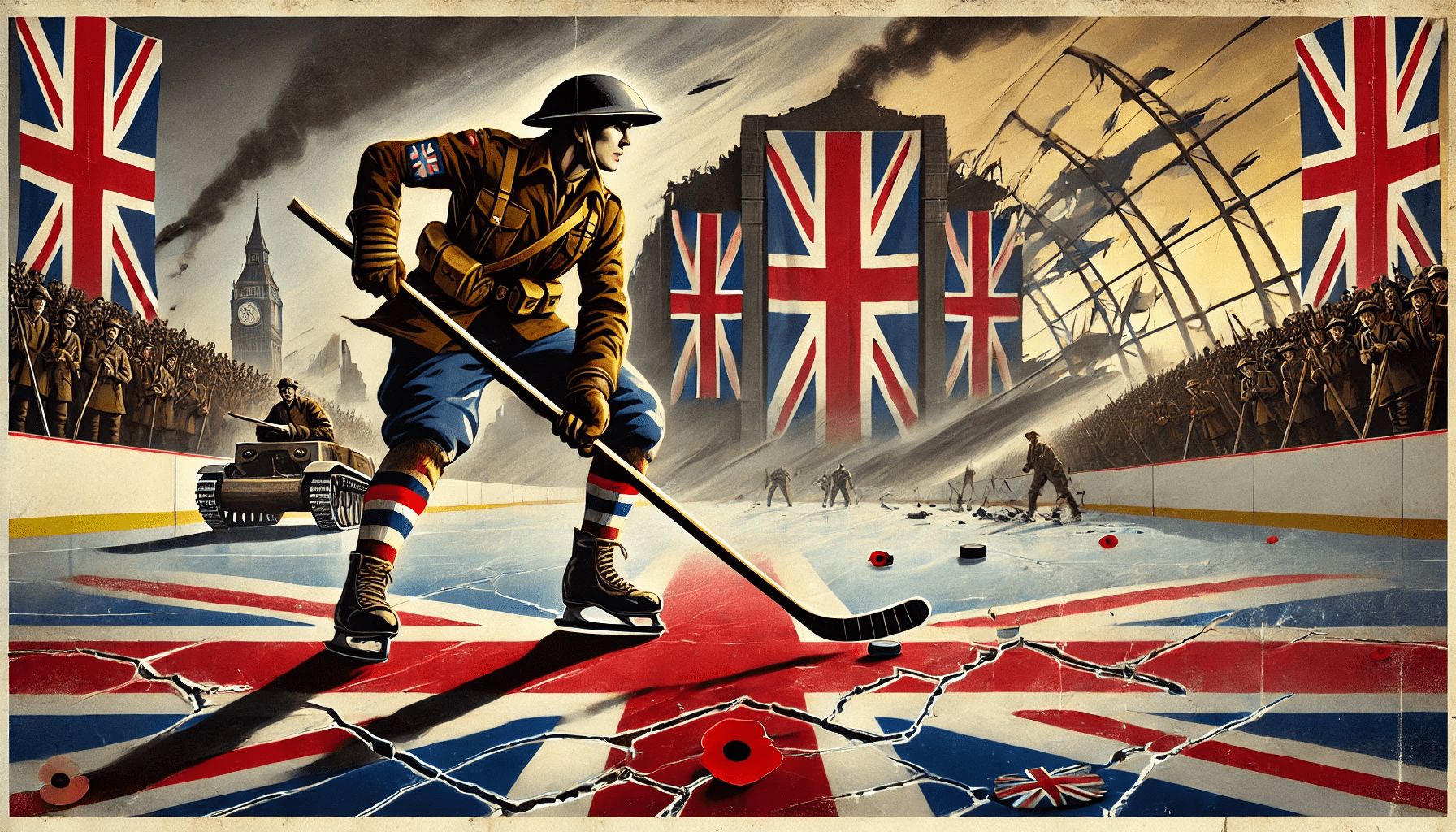
Victory, Reflection, and Rebirth on Ice
As the world marks 80 years since the end of World War II in Europe, it's a time not only for remembrance, but also for exploring how the war reshaped every facet of life — including sports. Ice hockey in the UK, still in its formative years in the 1930s, saw its momentum abruptly halted by global conflict. Yet from the rubble, a new chapter emerged — one that would give rise to iconic teams, renew public interest, and solidify the sport’s place in British culture.
A Golden Era Interrupted: Ice Hockey in the UK Before WWII
Before the war, British ice hockey was enjoying a renaissance. The sport had surged in popularity during the 1930s, bolstered by success on the international stage — most notably, Great Britain's gold medal win at the 1936 Winter Olympics in Garmisch-Partenkirchen. Professional and semi-professional leagues, particularly in England and Scotland, were drawing large crowds, with clubs like the Wembley Lions, Brighton Tigers, and Streatham Royals becoming fan favorites.
War on Ice: The Second World War Halts Progress
When war broke out in 1939, it effectively shut down organized hockey in the UK:
-
Ice rinks were repurposed for civil defense or closed entirely, as public gatherings became unsafe and impractical.
-
Many players joined the military, and several lost their lives in combat.
-
Games were sporadic, often limited to exhibitions for military morale or local community fundraising.
For a broader look at sport in wartime, including ice hockey, the Imperial War Museum offers a compelling overview: A Short History of Sports in Wartime – IWM.
Northern Ireland: Ice Rinks Give Way to War Rooms
In Northern Ireland, the war effort deeply affected the sporting landscape. The King’s Hall in Belfast, a key venue for local ice hockey, was requisitioned for military use. It first became a base for British troops and was later handed over to Short and Harland, who used it to repair Stirling bombers. Meanwhile, workers from Harland and Wolff and Short and Harland were redirected from ice sports to shipbuilding and aircraft production.
Many local players were also enlisted into the armed services. Organized ice hockey in Northern Ireland came to a complete standstill, only resuming after the hall reopened to the public in 1946.
A detailed look at this era can be found in this excellent article from WartimeNI: Wartime Ice Hockey in Northern Ireland
Out of the Ashes: Founding of the Nottingham Panthers
One of the most significant post-war developments in British hockey was the birth of the Nottingham Panthers in 1946. Plans to establish the team had existed before the war, but the outbreak of hostilities forced a long postponement.
Once peace returned, Nottingham seized the opportunity to join the sport's revival:
-
The Panthers entered the English National League during their first eight seasons.
-
In 1954, they became a founding member of the newly created British National League.
-
They remained active until 1960, when the league folded and the club suspended operations due to the lack of organized competition.
The Panthers would later be reborn, but their original formation remains one of the most enduring legacies of hockey's post-war resurgence in Britain. Today, the club is one of the most iconic in British ice hockey. Learn more about their legacy at the official site Nottingham Panthers – Official Site
Opportunities Born of Conflict: The Unexpected Legacies of WWII
Despite the disruption, the war catalyzed several long-term developments in British ice hockey:
-
Canadian and American servicemen stationed in the UK brought fresh enthusiasm for the game, holding exhibition matches and fostering grassroots interest.
-
Women's and youth hockey saw brief but meaningful growth during wartime, laying a foundation for future inclusivity.
-
A more professionalized outlook emerged post-war, as clubs recognized the need for financial planning, infrastructure development, and year-round engagement.
Rebuilding and Revival: The Post-War Hockey Boom
By 1946, British rinks slowly reopened and began attracting large crowds once again. Fans, hungry for entertainment and normalcy, flocked to see their local teams take to the ice. The English National League resumed, and new players — including many war veterans — brought discipline, resilience, and a renewed competitive spirit.
Cross-Atlantic ties remained strong. Many of the best post-war British teams were anchored by Canadian imports, whose skills elevated the quality of play and inspired a new generation of local talent.
A Game Reborn in the Wake of War
Eighty years after V-E Day, the legacy of World War II on UK ice hockey remains profound. It was a time of great loss and interruption — but also one of reinvention and opportunity. From the rebirth of arenas like Belfast’s King’s Hall to the emergence of iconic clubs like the Nottingham Panthers, the sport's resilience mirrors that of the nation itself.
Today, every puck dropped in a British rink is a quiet salute to those who rebuilt not just cities and lives — but the games we cherish.